Nurturing Empathy: Building Understanding and Support for Autism Awareness
In a world that is often fast-paced and disconnected, nurturing empathy can pave the way to deeper understanding and compassion, particularly in the realm of autism awareness. With approximately 1 in 44 children being diagnosed with an autism spectrum disorder, the urgency to empower compassion and acceptance has never been more vital. Have you ever thought about the impact your actions and words can have on the life of someone living with autism? Understanding autism isn't just about learning facts; it's about creating an environment where those on the spectrum can thrive, feel supported, and truly accepted. Let's dive into the essential steps we can take to foster empathy and stand up for autism advocacy in our communities.
Understanding autism is not merely an act of educating ourselves; it’s about building a bridge with affection and compassion. How do we close the gap between awareness and advocacy? The answer lies in engaging with advocacy groups for autism, attending autism workshops, and participating in community support for autism events. These experiences not only provide invaluable autism information but also allow us to interact with and learn from those who live with autism every day. Each conversation is a step towards fostering an atmosphere of understanding that benefits everyone involved.
What if we could transform the lives of individuals living with autism simply through our daily interactions? Through a conscious effort to engage in autism-friendly activities, people can create meaningful connections that alter preconceived notions and break down barriers. Imagine a world where each member of the community takes part in autism outreach programs or awareness campaigns for autism. These initiatives serve as catalysts for change, igniting discussions that challenge stereotypes and encourage acceptance. The question remains: are we ready to embrace this challenge together?
Taking actionable steps towards autism education can significantly influence mental wellness and mental health support for those impacted by autism. Parents, teachers, and friends must equip themselves with resources for autism—books, online courses, and local seminars—to ensure they are well-informed advocates. Access to autism support resources creates an empowered society, where those who live with autism can flourish, and where compassion isn’t just an abstract idea, but a lived reality. Let us ensure that the conversation continues beyond special occasions and extends into our daily lives.
Ultimately, nurturing empathy requires dedication and a willingness to listen. People often underestimate the power of simply being present and showing genuine interest in the lives of those affected by autism. The journey of understanding autism is ongoing, but with consistent effort from everyone—parents, friends, educators, and advocates—real change is possible. How can you contribute to this movement? Whether it’s by joining an autism networking event or volunteering with autism services, your involvement makes all the difference. Each small action is a step towards creating a compassionate world that embraces autism acceptance. Let's build this path together.
Fostering Connections: Innovative Approaches to Autism Education and Awareness
In a world that's constantly buzzing, it's easy for the whispers of those who feel different to fade into the background. This silence never serves well those on the spectrum of autism. Understanding autism is not just about recognizing differences but about fostering connections that build a bridge of compassion and support. How can we, as a collective, raise autism awareness and create an environment where affection and empathy are at the forefront of our interactions? Let's explore innovative approaches to autism education and awareness that not only enlighten minds but also embrace hearts.
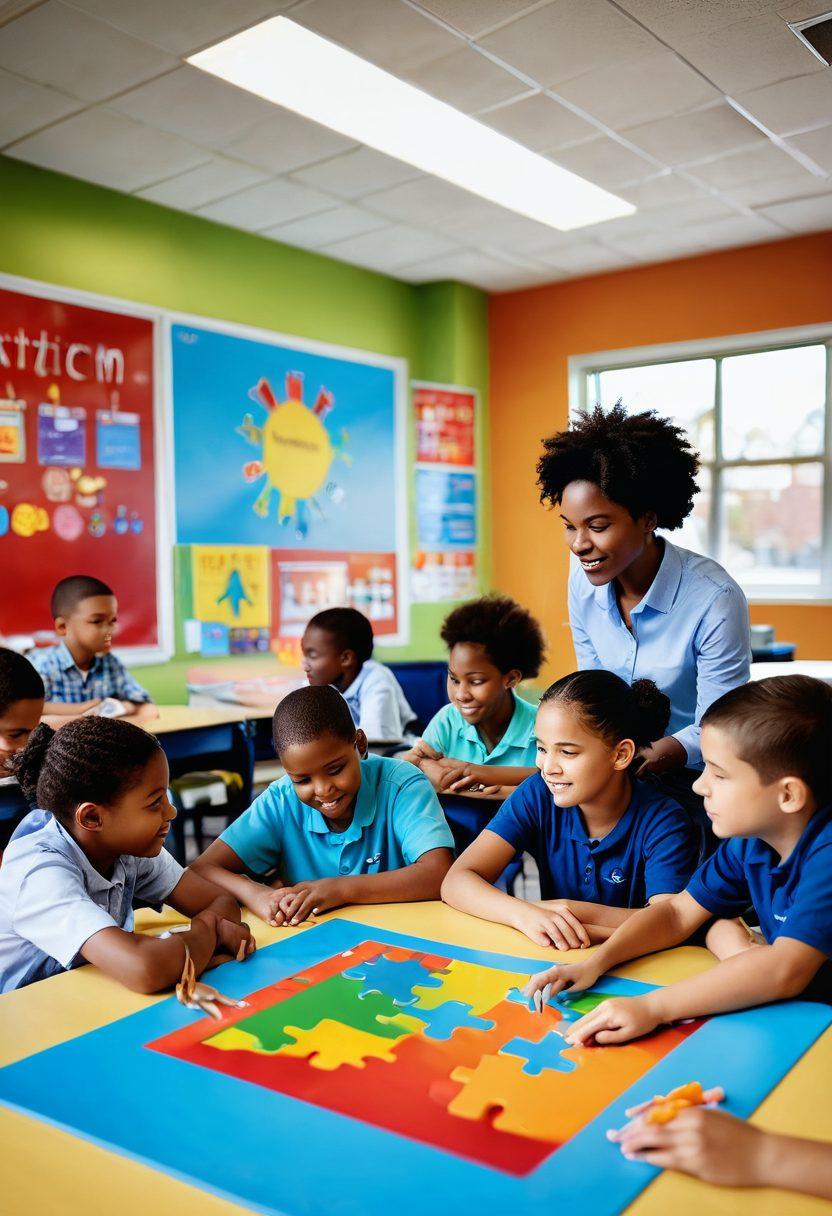
Imagine a classroom where every child feels as if they belong, where the nuances of individual learning styles are not just acknowledged but celebrated. Autism education should be a symbiotic journey, not a solitary path. Let's contemplate a question: what can we learn from the way children with autism interact with the world? By embracing their unique perspectives, we can enhance our understanding of autism, cultivating an enriching educational experience for all. One concrete step we can take is to integrate autism-friendly activities into regular school curriculums. These activities not only provide enjoyment but also enhance social and communication skills, ultimately fostering a greater sense of community support for autism.
Support for individuals with autism goes beyond the confines of classrooms. A pivotal part of autism advocacy is involving communities in a manner that promotes mental wellness and mental health support. Have you ever thought about how powerfully community involvement can affect those living with autism? Forming advocacy groups for autism can be transformative—providing a platform where families can access resources for autism, participate in autism workshops, and build networks that facilitate educational and social exchanges. By nurturing these connections, we can start to dismantle stigma and promote autism acceptance across various societal layers.
Let's focus on the power of storytelling. Have you ever heard of I do not know why it really matters? For individuals on the spectrum, sharing their stories promotes understanding of autism beyond rote statistics. Awareness campaigns for autism can benefit immensely from real-life narratives that underline the importance of autism services and programs. Each story acts as a beacon of hope, showcasing the beauty of diversity and the strength of each individual. Engaging in autism outreach programs can help amplify these voices, providing much-needed visibility and fostering empathy in communities.
In closing, nurturing empathy in autism education and awareness calls for our active participation. Let's harness the power of resources for autism, encourage autism networking, and create safe spaces where individual differences are not just tolerated but celebrated. And don't forget: the journey towards understanding autism is not just for those on the spectrum; it is for all of us! By investing time and energy in autism advocacy, we can take part in a revolutionary movement—one that embraces affection, compassion, and inclusivity. Are you ready to make a difference?
Building Community: Resources and Advocacy for Autism Acceptance and Support
Imagine a world where love transcends boundaries, where understanding thrives, and where communities unite to support individuals living with autism. Building community around autism acceptance is not just about recognizing the challenges faced by those on the spectrum; it is about fostering affection and compassion that help dismantle the barriers of misunderstanding. By rallying together through advocacy and support, we can create an environment where autism is not only accepted but celebrated. The journey begins with education on autism, an essential foundation that fosters empathy within our communities. Do you believe that knowledge can change perceptions?
As we deepen our understanding of autism, we must prioritize autism education for everyone. It’s not enough to simply spread information; we need to engage hearts and minds, opening doors to meaningful conversations. Advocacy groups for autism work diligently to provide autism information and resources for families and individuals. These advocacy groups are the lifeblood of community support for autism, and they encourage autism involvement by organizing events, workshops, and outreach programs that highlight the voices of those living with autism. It’s about transforming the narrative from mere awareness to true acceptance. Wouldn't it be liberating to live in a community where every child and adult with autism feels seen and valued?
When we talk about autism, it’s vital to foster spaces where mental wellness and mental health support are prioritized. Community support for autism should encompass not just the individuals but their families and friends, providing them with the help they need to navigate life together. Accessibility to autism services and autism support resources can make a significant difference. This includes everything from therapy to recreational activities designed for those on the spectrum, paving the way for autism-friendly activities that promote inclusivity. Have you ever participated in a community gathering that brought joy and connection among those with differing abilities?
Moreover, autism networking is another crucial aspect of building a supportive community. Connecting families and individuals allows for shared experiences and collaborative problem-solving. Consider the impact of connecting with others who truly understand the trials and joys of living with autism. These connections serve as a reservoir of strength; they amplify our voices in advocacy campaigns for autism, ensuring that everyone's experiences are shared and valued. Together, we can cultivate a culture of compassion that reinforces empathy and understanding. How can you contribute to your local autism network?
In conclusion, building community around autism acceptance and support is not merely an ideal; it is a necessary action. We must raise autism awareness through tangible steps: participating in autism workshops, volunteering for advocacy groups, and nurturing relationships within our communities. Ultimately, it is our shared responsibility to create a safe and loving environment for individuals with autism. The more we strive to understand autism and engage with those directly impacted, the more equipped we become to nurture an ethos of acceptance. Each of us can play a role in this journey, choosing to advocate, to educate, and most importantly, to connect. Do you feel inspired to join the movement toward autism advocacy?